Our Services

The First Nation’s Environmental Protection Agency (FNEPA) is an independent, Indigenous-focused environmental agency dedicated to supporting the right of
Indigenous Peoples of Canada to self-government and participatory governance.
We work alongside First Nations, Inuit, and Métis communities to protect land, water, air, and future generations. Through environmental services, Guardian training, and professional advocacy, FNEPA supports Indigenous-led decision-making rooted in cultural identity, sustainability, and the responsibility to protect the next seven generations.

Environmental Core Services

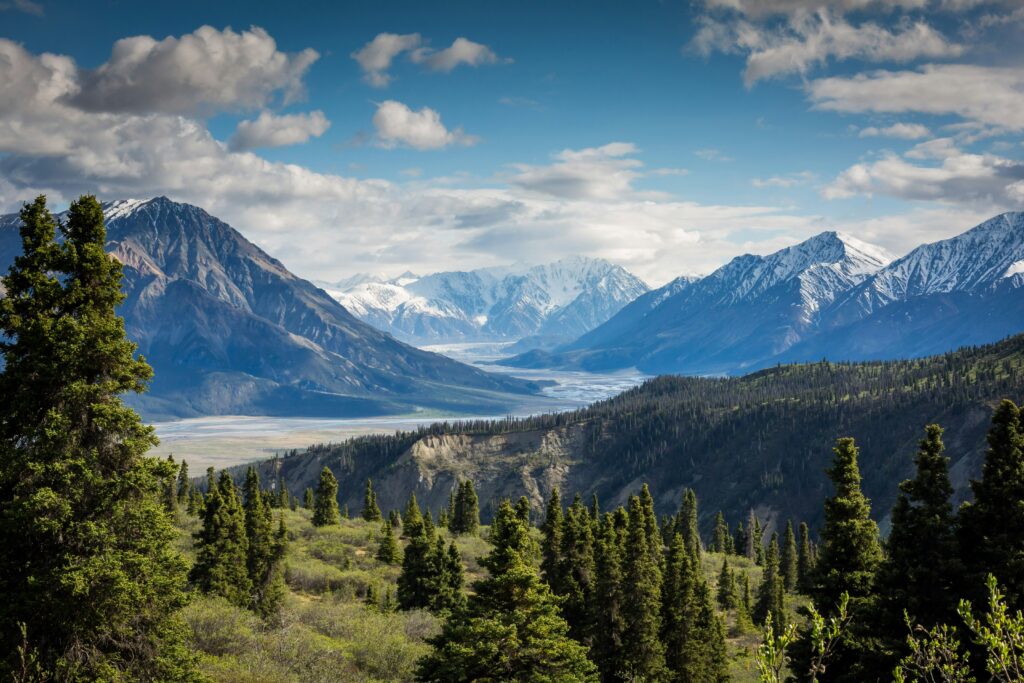
These could include Environmental Impact Assessment (EIA), Remediation & Site Cleanup, Regulatory Compliance, Sustainability, and monitoring of soil, water & ambient air quality.

TA 1

Indigenous Guardian Training

Through the FNEPA’s proprietary doctrine of Guardian Environmentalism. A distinctive, national, and inspiring concept that will provide Indigenous persons with the essentials for navigating the complexities of self-governance, the historical impacts of colonialism, by recognizing the devastating effects of climate change and environmental degradation, the diverse interests of different groups, and the challenges of maintaining nation-to-nation relationships with the Canadian and provincial governments.

TA 1

Professional Advocacy

The FNEPA holds the view of connection to Earth and the centrality of Spirit. Are the fundamentals of how one maintains spiritual, emotional, mental and physical wellness on Turtle Island? We believe that Canada needs to go further and recognize that Indigenous Peoples in this country – regardless of where they live – have a Charter right to a healthy environment. As a consequence, we seek to reduce and eliminate Western laws and practices that undermine positive cultural identity and balanced well-being. This includes maintaining the right to clean drinking water, to be consulted on Western land and water-based activities. Also, helping shape environmental laws and regulations to manage Indigenous Lands better.

Spread the word: